Josh Kerr – Who owns the winning moment?
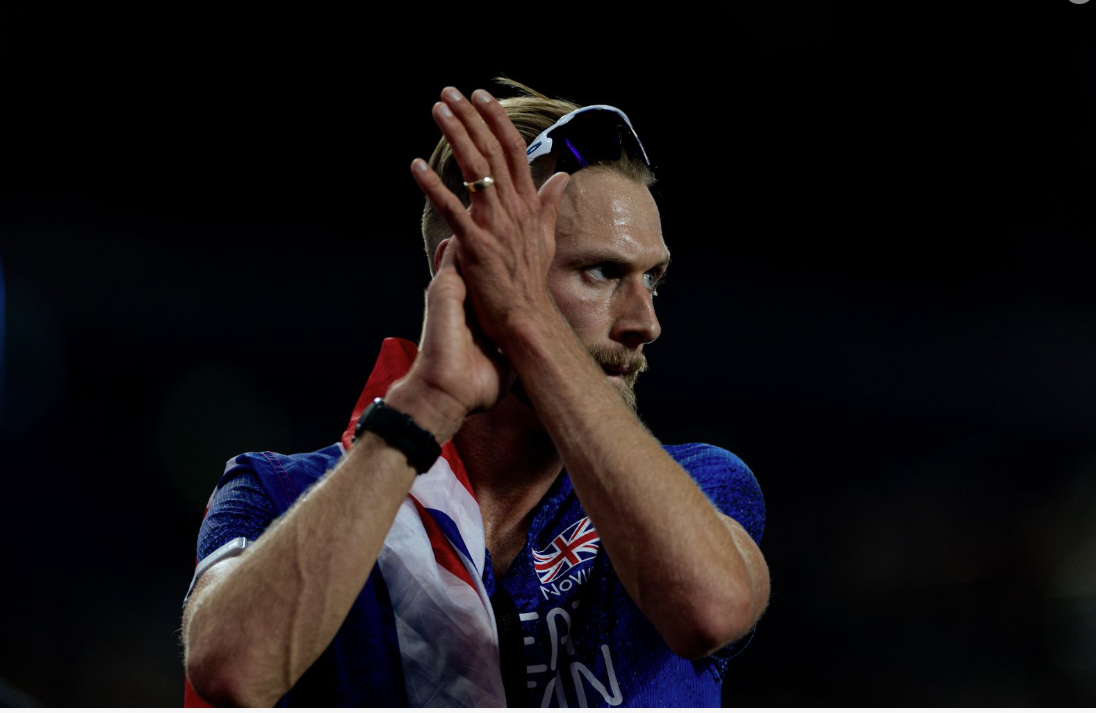
When Josh Kerr crossed the finish line to win the 1500m at the inaugural World Athletics Ultimate Championship, he did something more calculated than draping himself in the Union Jack. He placed his Brooks spikes over his shoulder, obscuring the Nike logo on his GB kit, ensuring that his personal sponsor was visible in the images of his victory.
It was a simple gesture, but one which neatly illustrates a recurring tension in athlete sponsorships - a federation’s commercial partners and the athlete’s personal sponsors find themselves competing for the same real estate, an athlete’s body, at exactly the moment it is most valuable.
For sponsors, those moments are scarce inventory. Brands can contract for social posts, appearances and content, but the image of an athlete celebrating a major victory cannot be manufactured. Nike, Brooks, British Athletics and World Athletics each have different commercial interests in the same frame. For Kerr, the brand investing directly in him was the one he chose to foreground.
That tension is particularly acute in athletics. Whilst Team GB athletes benefit from important support from UK Sport, unlike athletes in many major sports, they do not generally receive a salary for competing. Personal sponsorship therefore remains an important part of the athlete economy.
Kerr has been vocal about the financial rewards available to athletes in track and field, recently questioning the $50,000 bonus he received for breaking the mile world record. His decision to give his sponsor Brooks, who has supported him since university, visibility in Budapest therefore sits within a wider discussion about the value of athlete brands and the role personal sponsorships play in the economics of the sport.
The comparison with Diamond League is particularly interesting.
At Diamond League meetings, athletes have considerably greater freedom to compete in their personal kit. When Kerr broke the mile world record in London this summer, he did so wearing Brooks. At championships, the commercial identity changes, Kerr becomes part of Team GB and national kit takes precedence.
There is good reason for that distinction. National colours give casual audiences an immediate reason to identify with athletes and may make competition easier to follow. Country versus country remains of sport’s simplest and most powerful narratives. For federations, that collective identity is also a valuable commercial asset in its own right.
But the Ultimate makes the balance more interesting.
World Athletics has positioned the new championship around the world’s best athletes, significant prize money and a format designed to showcase individual stars. There are no country quotas for individual events and athletes qualify through sporting performance rather than national selection in the traditional sense. Yet they still represent their national teams.
In that sense, the Ultimate brings together two different models: the commercial power of the individual athlete and the audience appeal of national representation. Kerr’s gesture highlights the challenge in combining them. If athletics increasingly builds its products around individual personalities and rivalries, how should the commercial value of those athlete brands sit alongside the collective rights sold by federations?
There is also a practical lesson for athletes, brands and federations.
Before promising sponsorship exclusivity, it is important to understand where that exclusivity can actually be delivered. Athlete agreements need to be considered alongside federation commitments, kit regulations, image rights and promotional obligations.
The important question is therefore not who has exclusivity, but when, where and over what.
Kerr’s spikes did not resolve the tension between athlete and federation branding. They simply made it visible for everyone watching. As athlete brands become increasingly valuable, and formats like the Ultimate continue to compete for relevance in the sport, we are likely to see plenty more competition for that same frame.
Photo: Danielle Alakija