Katie Taylor: Why shared cultural moments are the real drivers of fandom in sport
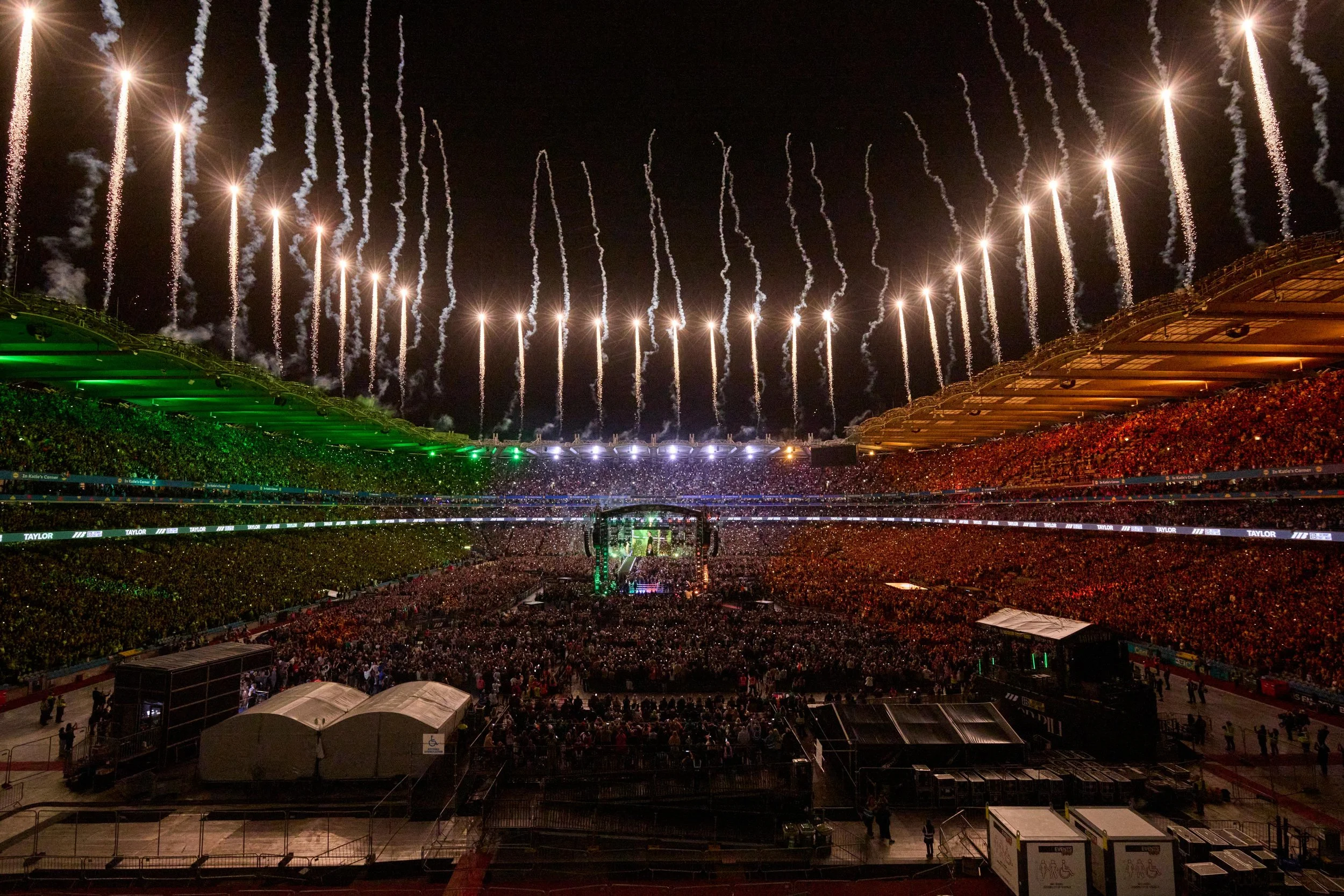
Much has been – and will be – written about Katie Taylor’s extraordinary farewell at Croke Park in Dublin on Saturday.
It was a fitting finale to a truly remarkable sporting career. From an all-conquering amateur career and Olympic gold, to a record-breaking professional career featuring Madison Square Garden and Netflix, Taylor cemented herself as an all-time great of boxing and Irish sport – culminating in 83,000 people coming together in her home city for an emotional send-off.
But what struck me is that those 83,000 people weren’t simply buying a ticket to watch a boxing match on Saturday. Or indeed a major sport and entertainment event.
They were buying the opportunity to be part of a moment.
For me, that is a powerful reminder of what really drives fandom - and of the unique ability of athletes and live sport to create culturally relevant moments.
The biggest sporting occasions are about more than a match or a competition. They create a sense of belonging and shared experience that is incredibly difficult to replicate elsewhere.
And at the heart of that are the connections we form with athletes.
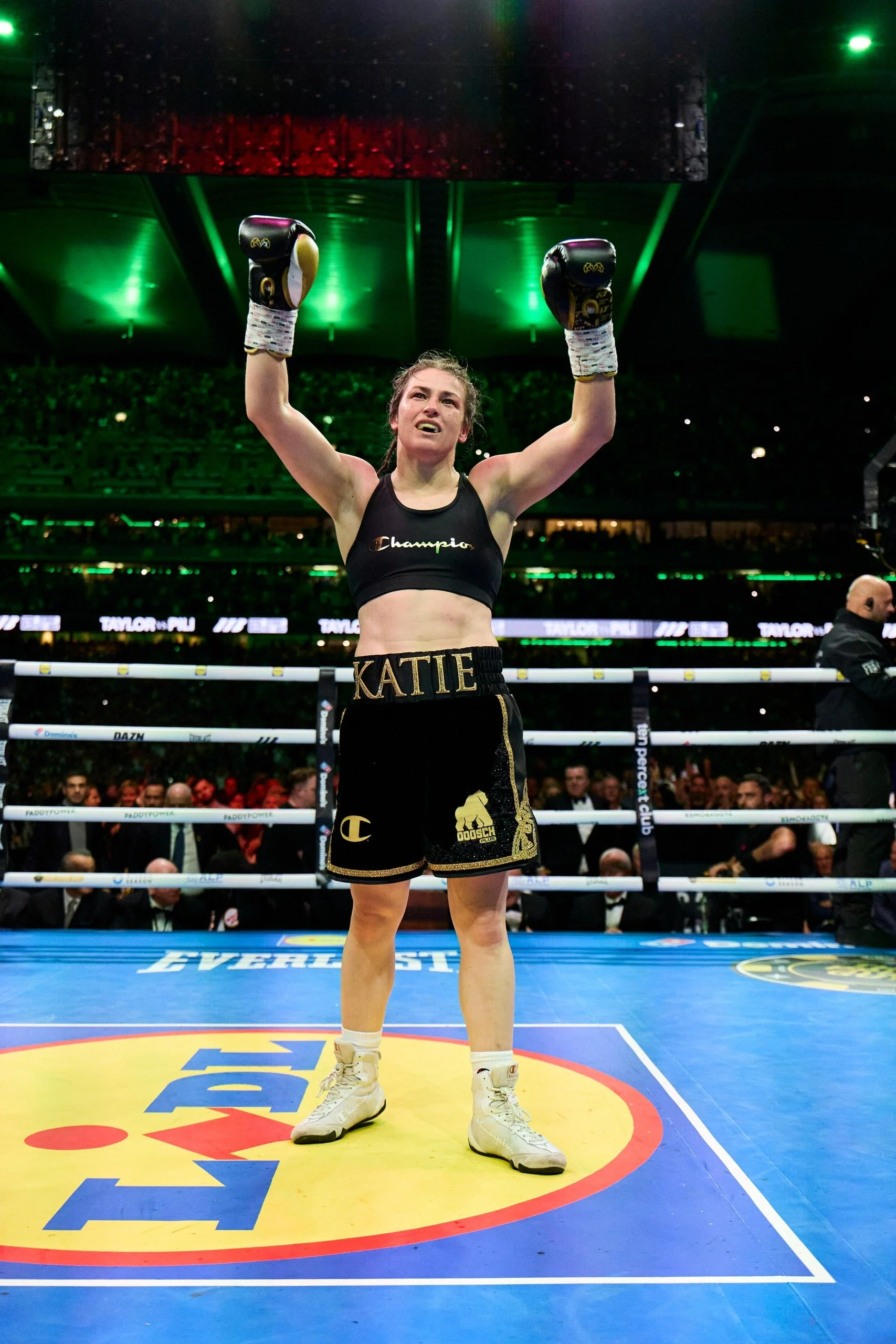
Katie Taylor has spent more than 20 years building that connection. Not through a personal brand or PR strategy, but through performance, authenticity, consistency and an extraordinary relationship with the Irish public.
Yes, promoters, broadcasters and sponsors play a part in making major events like Saturday happen. But none of them can manufacture the emotional investment that already existed.
And that’s what made 83,000 people want to say they were there. And millions more experience it through free-to-air RTÉ coverage in Ireland and DAZN’s global distribution.
We in the sports industry spend a lot of time talking about audiences, rights, sponsorship, content and commercial value.
Sometimes it is easy to lose sight of what sits underneath all of them: fandom.
There are also fascinating lessons in the commercialisation of individual women’s sport.
Across professional women’s sport, we are continuing to see significant investment in teams, leagues and rights holders. Katie Taylor is a brilliant case study in how an individual female athlete with genuine cultural relevance can herself become the platform around which broadcasters, promoters, venues and brands build.
Saturday was perhaps the ultimate expression of that. Lidl’s involvement extended well beyond title sponsorship of the fight into broadcast, radio, digital and community activation. RTÉ brought the occasion to a national free-to-air audience, DAZN provided global distribution and Croke Park sold 80,000 tickets in 30 minutes.
The commercial proposition wasn’t simply women’s boxing. It was Katie Taylor.
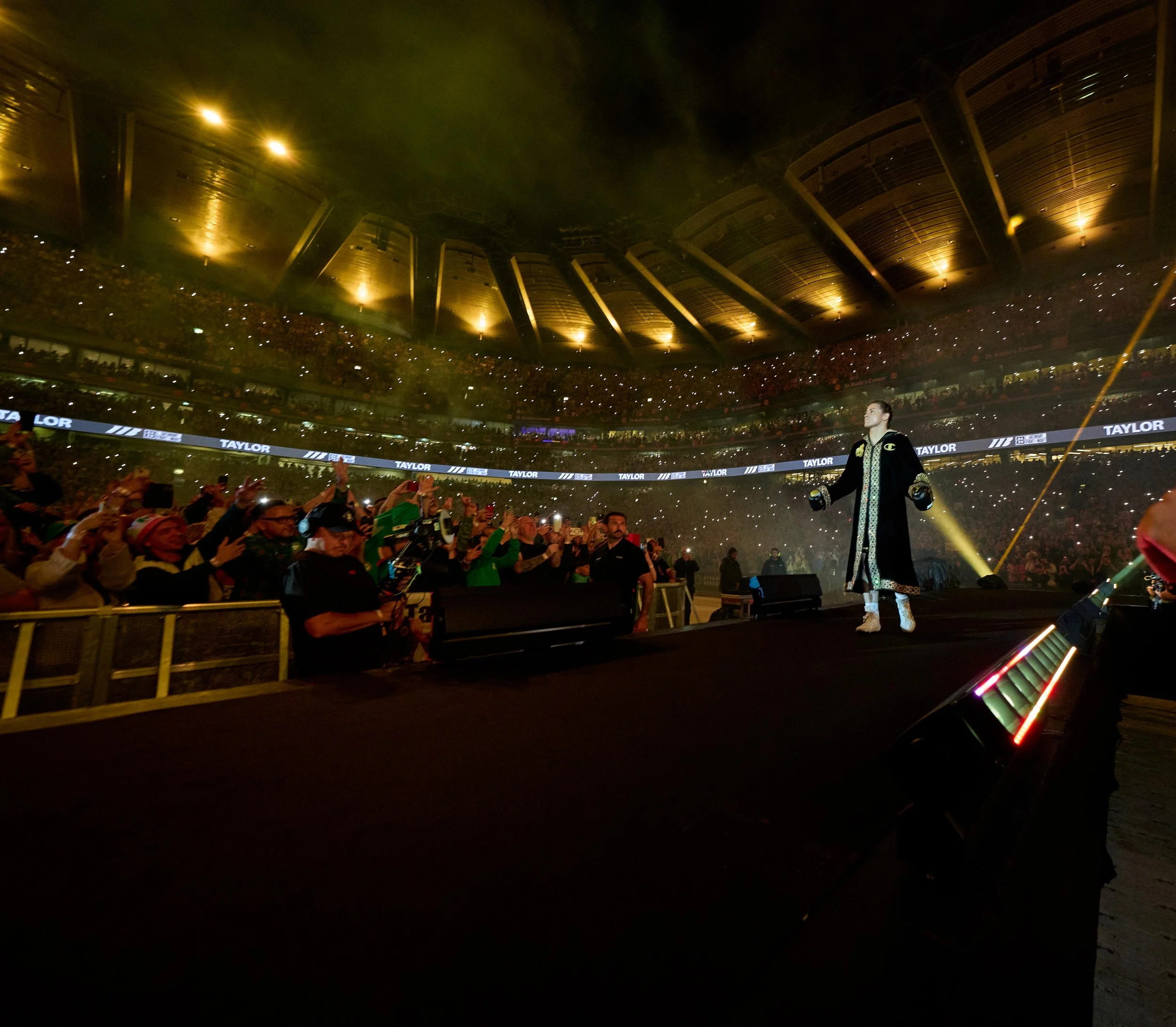
For the next generation of female athletes, the opportunity isn’t simply to secure greater visibility or a larger share of existing sports sponsorship budgets. We are increasingly seeing at the very top end of women’s sport – perhaps most notably in football – how individual athletes have the potential to create entirely new commercial properties around themselves.
The challenge for brands, agents, promoters and advisers is to recognise that potential early – and invest in the athlete and their audience before the commercial opportunity becomes obvious.
There is another important lesson in how Katie Taylor built that value. She has never appeared to be the product of an elaborate personal brand strategy. If anything, her relative understatement has become part of her appeal.
At a time when athletes are increasingly encouraged to think of themselves as brands, content creators and even media businesses, Katie Taylor is a useful reminder that commercialisation does not have to mean commodification.
The most valuable ingredient remains genuine connection. Commercial strategy works best when it amplifies that connection rather than trying to manufacture it.
For the world’s biggest athletes, commercial value isn’t just a product of sporting performance and brand strategy. It comes from their ability to create moments that people, brands, broadcasters - and ultimately entire countries - want to be part of.
Saturday wasn’t just a major sporting event. It was a truly generational, shared cultural moment.
And that is surely one of the most valuable things sport can create.
Photos: Mark Robinson / Matchroom Boxing